
Turn Your Passion Into Action: Learn How to Care for Injured & Orphaned Wildlife in Virtual Program
“Interested in helping wildlife? Have you thought about becoming a wildlife rehabilitator? The world could certainly use more!”

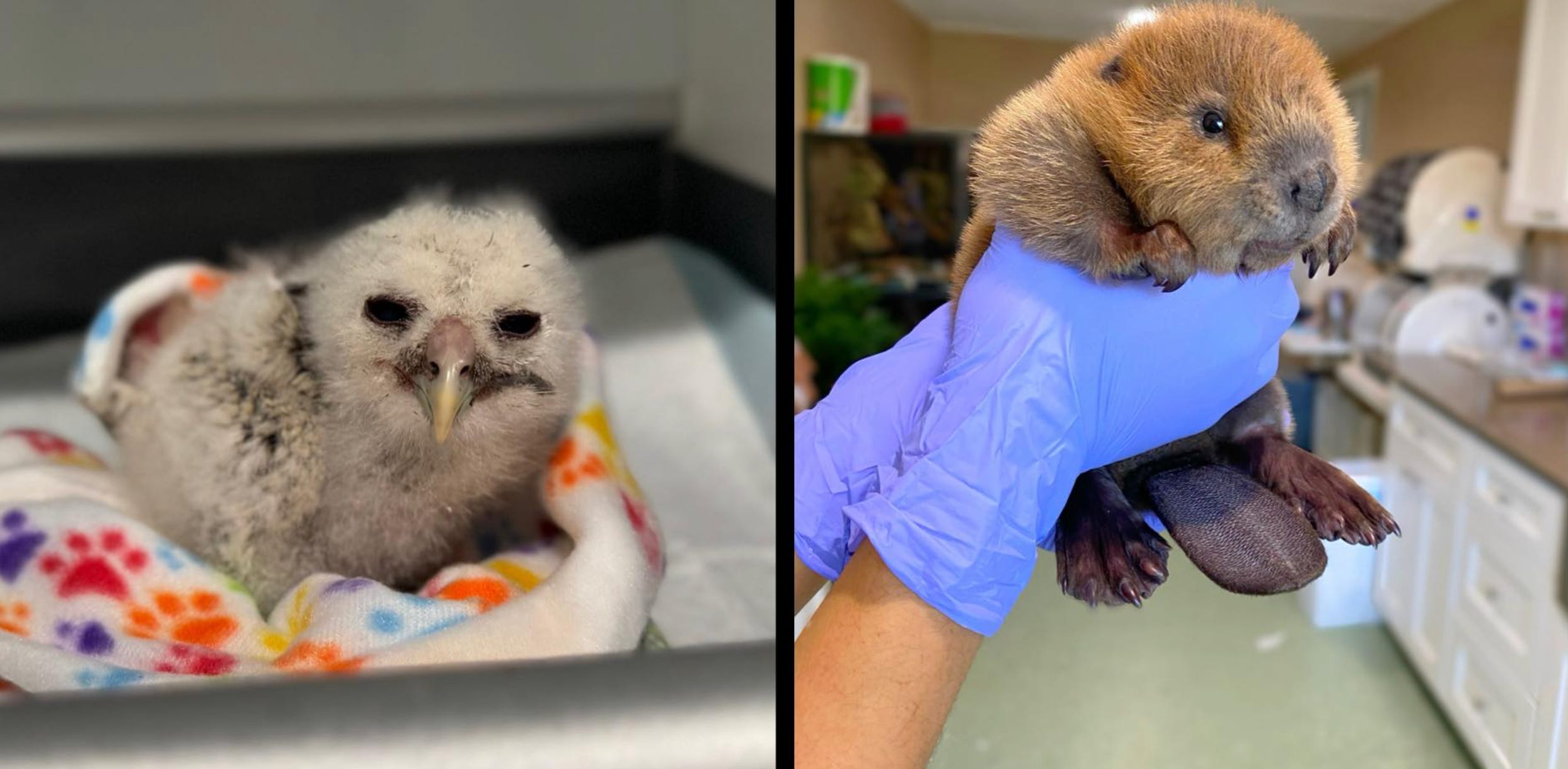
For those passionate about helping wildlife, becoming a licensed wildlife rehabilitator offers a rewarding opportunity to make a real difference in the lives of injured and orphaned animals. Newhouse Wildlife Rescue, a non-profit wildlife rescue organization serving Massachusetts, has announced an upcoming training webinar designed to prepare aspiring rehabilitators for this important work. “Interested in helping wildlife? Have you thought about becoming a wildlife rehabilitator? The world could certainly use more!” the organization states, inviting participants to join a comprehensive Zoom webinar series.
The four-part virtual training program will take place on January 3rd, 10th, 17th, and 24th, from 8:00 AM to 12:30 PM each Saturday. With an enrollment fee of $250, the webinar provides both live instruction and recorded sessions accessible on Vimeo for two months after completion. According to the announcement, the program is “designed to teach you critical skills for wildlife rehabilitation AND help prepare you to take the Massachusetts State exam for a Wildlife Rehabilitation permit.” The training has also proven valuable for veterinarians, veterinary technicians, and volunteers at wildlife facilities looking to enhance their skills.

Led by experienced wildlife rehabilitators Judy Pasko and Cassandra Tompkins, the webinar offers participants realistic insights into the field. Prerequisites are minimal: attendees must be at least 18 years old and have a free Zoom account. “Both instructors are active wildlife rehabilitators with the expertise to give you a realistic understanding of wildlife rehabilitation,” the announcement notes. Prospective students can contact Judy Pasko at 413-695-6854 or Cassandra Tompkins at 978-895-9803 for more information.
The State of Massachusetts emphasizes the important role wildlife rehabilitators play in the community. “Wildlife rehabilitators are individuals, veterinarians, or organizations licensed by MassWildlife who volunteer to care for sick or injured wildlife,” the state’s website explains. These dedicated volunteers specialize in caring for various species, from songbirds to small mammals, and while they don’t charge for their services, they often accept donations to cover costs.
The state also provides guidance on when wildlife intervention is appropriate. “In almost all cases, it’s best to leave wildlife alone,” the website advises, encouraging people to use available resources to determine whether an animal truly needs help. When intervention is necessary, contacting a licensed wildlife rehabilitator is the recommended course of action. For those inspired to join this vital network of caregivers, resources for becoming licensed are available through MassWildlife and training programs like the one offered by Newhouse Wildlife Rescue.
To learn more about the upcoming Newhouse Wildlife Rescue virtual training program, visit the Facebook event page created by the rescue at https://www.facebook.com/events/767383802774376/767383819441041/.